Solar Energy for SMEs: Payback Periods and Tax Incentives Explained
In recent years, small and medium-sized enterprises (SMEs) across the UK have increasingly explored renewable energy options to reduce operational costs and promote sustainability.
Among these, solar panels have emerged as a popular choice. But why are SMEs turning to solar energy, what incentives are available, and how long does it take for solar investments to pay off?
In this article, we explore everything from how solar panels work to UK solar business grants, payback periods, and the benefits of making the switch.
Why SMEs Are Turning to Solar Energy
Businesses in the UK face rising energy costs, and switching to solar panels can significantly reduce electricity bills. By generating electricity on-site, SMEs can become less reliant on traditional grid power, creating long-term savings. Beyond cost reduction, installing solar panels UK contributes to a greener, more sustainable business model, a factor increasingly valued by customers, investors, and partners.
Moreover, environmental regulations and corporate social responsibility goals encourage SMEs to adopt renewable energy. Many businesses now recognise that energy saving is not only a financial decision but also a strategic one for future-proofing operations.
How Do Solar Panels Work?
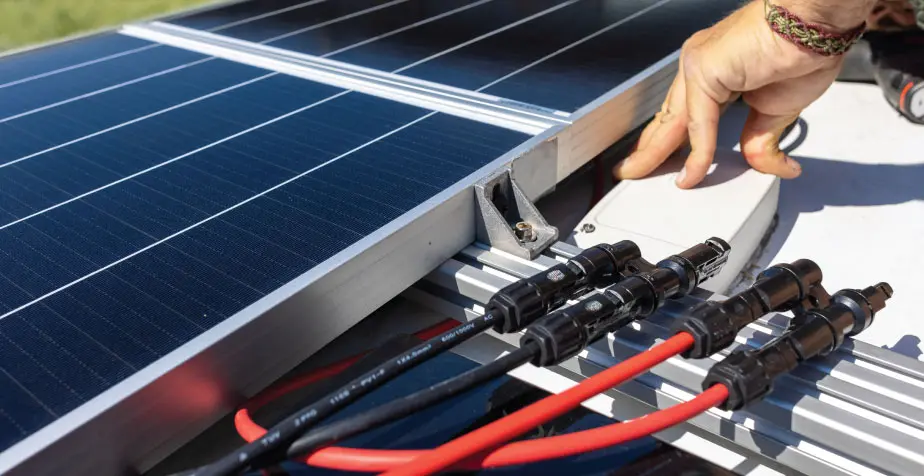
Understanding how solar panels work helps business owners appreciate the value of the investment. Solar panels capture sunlight and convert it into electricity using photovoltaic (PV) cells. These cells generate direct current (DC) electricity, which is then converted into alternating current (AC) by an inverter. This AC electricity powers business operations or, if surplus energy is produced, can be stored in batteries or exported to the grid.
For businesses seeking mobility, portable solar panels offer flexibility. They are ideal for temporary setups, pop-up events, or remote locations where permanent installations are not feasible. While the energy output is lower than fixed panels, portable options can still contribute to reducing energy costs.
How Much Do Solar Panels Cost for SMEs?
The cost of installing solar panels depends on several factors, including system size, location, and the type of panel. On average, SMEs in the UK can expect to pay between £6,000 and £20,000 for a medium-sized installation. While this may seem substantial upfront, businesses often find the investment worthwhile due to long-term energy savings and government incentives.
Several factors affect the overall price of commercial solar panel installation in the UK:
- Roof size and orientation
- Energy consumption needs
- Quality and efficiency of panels
- Installation and maintenance costs
Investing in high-quality panels may increase the initial outlay but improves efficiency, durability, and the overall payback period.
Payback Periods for Solar Panels
A critical consideration for any SME is whether solar panels are worth it. Payback periods vary depending on installation costs, energy consumption, and incentives. On average, UK SMEs can expect a payback period of 5 to 10 years, after which electricity costs are dramatically reduced, essentially providing “free” energy for the remaining lifespan of the system (typically 25-30 years).
Several factors influence the payback period:
- Amount of sunlight received in the location
- Energy usage patterns of the business
- Available government grants and tax incentives
Businesses with high daytime electricity usage tend to achieve shorter payback periods because solar energy is consumed directly rather than exported to the grid.
Tax Incentives and Grants for UK Businesses
The UK government and local councils offer multiple incentives to encourage businesses to adopt solar energy. Some of the key schemes include:
Capital Allowances
Businesses can claim Enhanced Capital Allowances (ECA) for energy-efficient equipment, including solar panels. This allows SMEs to deduct the full cost of the investment from taxable profits in the first year.
UK Solar Business Grants
Various UK solar business grants exist to reduce installation costs, including regional renewable energy schemes and local council incentives. Grants can cover a percentage of installation costs or provide low-interest loans to support renewable projects.
Feed-in Tariffs and Export Guarantees
While the Feed-in Tariff (FiT) scheme has closed to new applicants, some businesses may still benefit from existing agreements. Additionally, the Smart Export Guarantee (SEG) allows SMEs to earn money by exporting surplus electricity back to the grid, further shortening the payback period.
These incentives make it increasingly attractive for SMEs to consider solar installations, both financially and environmentally.
Environmental and Strategic Benefits
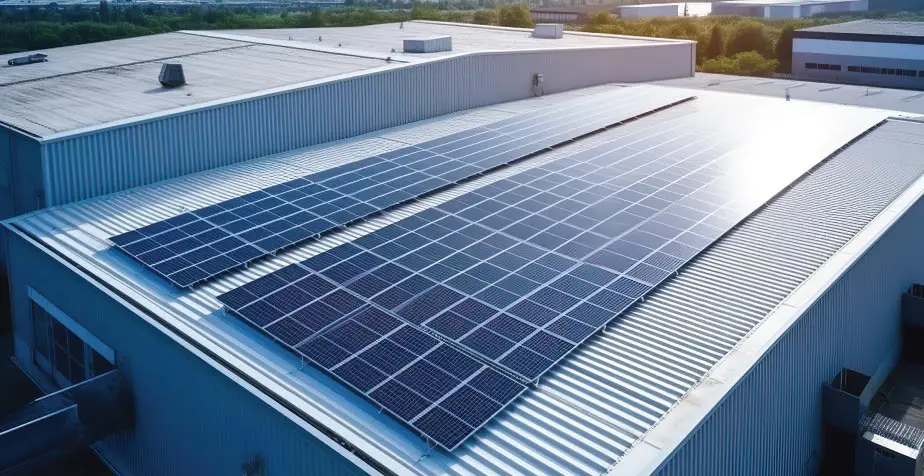
Adopting solar energy extends beyond cost savings. It enhances a business’s green credentials, appealing to environmentally conscious clients and stakeholders. Implementing renewable energy solutions can also future-proof operations against volatile energy prices, helping SMEs maintain a competitive edge.
Additionally, energy saving from solar panels contributes to reduced carbon emissions, supporting the UK’s broader commitment to net-zero targets by 2050. For businesses aiming to achieve sustainability certifications, solar energy is a practical and visible step.
Common Questions About Solar Panels for SMEs
Is Solar Energy For SMEs Worth The investment?
For most UK SMEs, solar panels are worth it. The combination of long-term energy savings, government incentives, and positive environmental impact makes solar a viable investment. Businesses with high daytime energy consumption tend to see faster returns.
How Do Solar Panels Work In The UK Climate?
Even in the UK’s variable weather, solar panels are effective. Modern panels can generate electricity in low-light conditions, and efficiency continues even during cloudy days. The UK’s northern latitude slightly affects output but does not prevent solar panels from providing substantial savings.
Can My Business Install Solar Panels On A Flat Roof?
Yes, solar panels can be installed on flat roofs using angled mounting systems to optimize sunlight capture. Many SMEs with warehouses or retail spaces benefit from flat roof installations, allowing for larger arrays without affecting aesthetics.
Do Solar Panels Require A Lot Of Maintenance?
Solar panels are generally low-maintenance. Routine cleaning and occasional checks of inverters and mounting systems are usually sufficient. Most panels come with warranties of 20–25 years, ensuring long-term reliability.
How Much Energy Can My SME Save With Solar Panels?
Energy savings depend on system size, location, and energy usage patterns. On average, SMEs can reduce electricity bills by 30–50%, especially if a significant portion of energy is used during daylight hours.
Are Portable Solar Panels Effective For Businesses?
Portable solar panels can supplement energy needs for temporary or mobile setups. While their output is lower than fixed systems, they are flexible and ideal for pop-up events, outdoor operations, or businesses testing solar before committing to a full installation.
Can Installing Solar Panels Increase The Value Of My Business Property?
Yes, renewable energy installations like solar panels can enhance property value. They signal energy efficiency and sustainability, which can attract tenants, investors, or buyers looking for environmentally conscious properties.
Can Solar Panels Help My Business Achieve Sustainability Certifications?
Yes. Installing solar panels contributes to reducing carbon emissions and energy consumption, which are key criteria for certifications like ISO 14001 or BREEAM. This strengthens your business’s environmental credentials.
Maximising Savings and Sustainability with Solar Energy for UK SMEs
Switching to solar energy is increasingly becoming a strategic move for UK SMEs. From reducing energy bills to accessing UK solar business grants and tax incentives, the financial and environmental benefits are compelling. While the initial investment may seem substantial, payback periods of 5–10 years and long-term savings make solar panels a worthwhile investment.
Whether through permanent installations or portable solar panels, SMEs can improve their sustainability credentials, reduce operational costs, and support the UK’s transition to a low-carbon economy.
By carefully evaluating costs, incentives, and energy needs, businesses can make informed decisions about solar panels in the UK, ensuring both financial and environmental returns.
Recent Blogs
Are you ready to save the planet and money?

Save Up To 40% Off Your Utility Bills

National Coverage

Energy Consultant
Energy Consultant
Sophie is an Energy Expert specialising in energy efficiency, renewable energy, and practical energy advice. She writes clear, research-led content that helps consumers understand energy tariffs, reduce energy costs, and make informed decisions about their energy use.