The UK Energy Crisis: 2026 Update
The UK energy crisis remains a defining issue for households and businesses as we move into 2026. While the most extreme price spikes seen during the height of the crisis have eased, energy bills are still significantly higher than pre-2020 levels, and uncertainty continues to shape consumer behaviour.
This updated guide explains how the Energy Price Cap January 2026 is affecting gas and electric prices and what people can realistically expect over the coming year. It also looks at what help is available during the energy crisis and answers the most common questions UK consumers are searching for.
What Is the Energy Crisis in the UK?
The UK energy crisis refers to a prolonged period of unusually high gas and electricity prices, combined with increased volatility in the energy market. Although the crisis reached its peak between 2022 and 2023, its effects have continued well beyond that period, leaving households facing higher ongoing costs.
Energy prices rose sharply due to a combination of global gas shortages, geopolitical tensions, and the UK’s reliance on gas for both heating and electricity generation. While wholesale prices have since fallen from their highs, household bills have not returned to pre-crisis levels. According to Ofgem, energy costs in 2026 remain around 40% higher than before the crisis began, even with regulatory intervention.
Why Is the UK Having an Energy Crisis?
Many consumers are asking: why are energy bills still high despite wholesale prices falling?
The UK’s energy crisis has been driven by both international and domestic factors. A key issue is the country’s exposure to global gas markets. The UK imports a significant proportion of its gas, meaning prices are highly sensitive to global supply and demand. When international gas prices rise, UK energy bills tend to follow.
Gas also plays a major role in electricity pricing. Because gas-fired power stations often set the wholesale price of electricity, higher gas costs feed directly into electric prices as well. This link has been widely cited as one of the structural weaknesses of the UK energy market.
Domestic factors have also played a role. Long-term underinvestment in energy efficiency, the cost of maintaining and upgrading the national grid, and the way environmental and social policy costs are added to bills have all contributed to sustained pressure on prices.
What Is The Energy Price Cap?
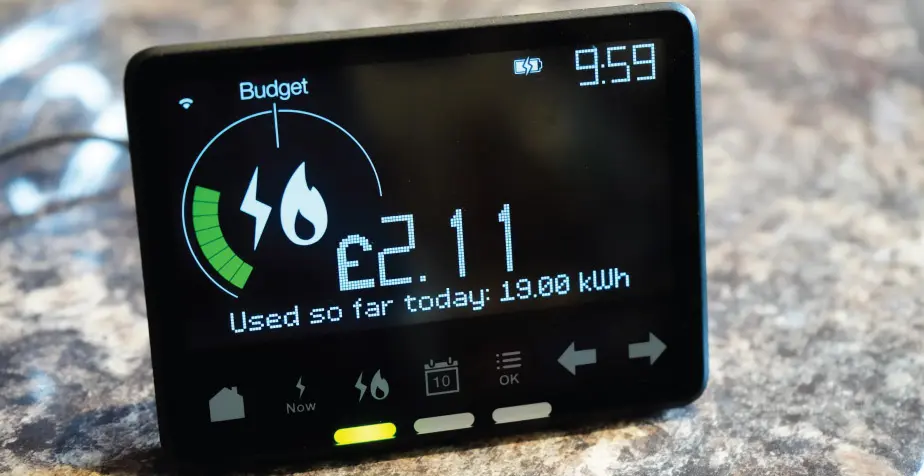
The energy price cap refers to the maximum amount you’ll pay for your energy bills on an annual basis.
It’s based on the energy usage of an average household (thought to be around 2.4 people) and is set by the UK government’s energy regulator Ofgem.
In the words of Ofgem, this is designed to ensure that energy costs are both “fair”, and that they “reflect the cost of energy”. This means that you shouldn’t have to pay as much when energy is more widely available, but also that when it’s more difficult or costly to provide, you’ll pay slightly more as a means of accounting for the price difference.
The energy price cap applies to the vast majority of UK energy bill payers, and covers those who pay via:
- Standing order or direct debit
- Standard credit (meaning you pay when you receive your bill via email or in the post)
- Pre-payment meters
- Economy 7 (E7) meters
It was first introduced in January 2019 in response to growing uncertainties around natural gas and oil prices and has been in place since to better reassure energy customers of the price they’ll pay.
It was shifted into more public focus with the energy crises we’ve seen in recent years, as well as during the pandemic where many people were more reliant upon the energy they used at home. That also applied to businesses open during that time, which experienced a surge in the power they used for costs like heating, lighting and essential power.
Ofgem Price Cap Forecast
As of 1st January 2026, the UK energy price cap is set at £1,758 per year, for a typical dual-fuel household paying by direct debit. This represents an increase of around 1% or approximately £20 compared with January 2025.
This price cap is in place until 31st March 2026 and will be reviewed and published by Ofgem on 25th February 2026, in line with its quarterly price cap review schedule.
A full breakdown of how the energy price cap is calculated, including regional variations, is available on Ofgem’s website. The national average rates under the current cap are outlined below.
Gas rates:
Households on a standard variable tariff paying by direct debit will pay an average of 5.93p per kWh, with a daily standing charge of 35.09p per day.
Electricity rates:
For electricity, households on a standard variable tariff paying by direct debit will pay an average of 27.69p per kWh, with a daily standing charge of 54.75p per day.
It’s important to note that the price cap limits the unit rates and standing charges suppliers can charge, it does not cap the total bill. Actual costs still depend heavily on how much gas and electricity a household uses.
Energy suppliers are required to comply with the price cap on standard variable tariffs, although some suppliers may choose to charge less. If you wish, you can request a detailed breakdown of your energy bill from your supplier to better understand how your costs are calculated.
Although wholesale energy costs have eased, other elements of energy bills have taken on greater significance. Network charges, infrastructure investment, and policy-related costs now account for a larger share of what households pay. This explains why bills remain stubbornly high despite some improvement in market conditions.
What’s Driving the Difference Between Gas and Electricity Prices?
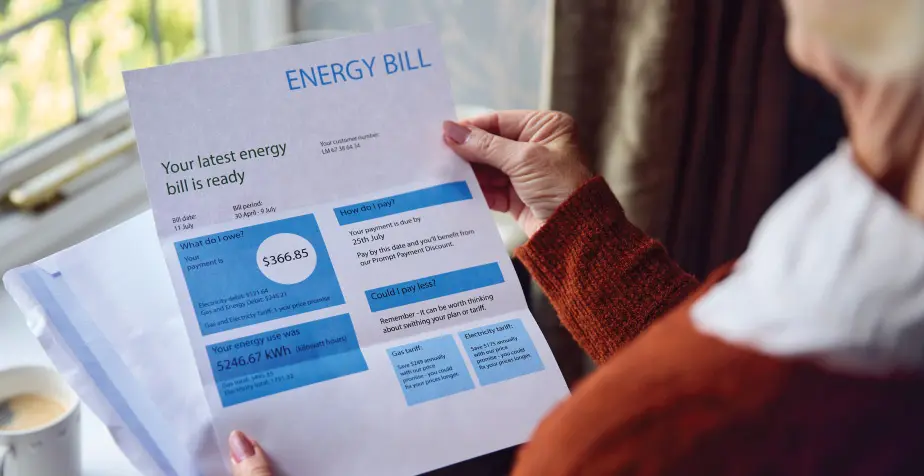
One notable feature of the UK energy crisis in 2026 is the growing gap between gas and electricity prices. While gas prices have softened relative to their peak, electricity prices have remained comparatively high.
This disparity reflects how electricity pricing is structured in the UK, with electricity carrying a greater share of environmental and social levies. Research shows that the price gap between gas and electricity is now at its widest since the 2022 energy crisis, raising concerns about fairness and incentives for households to electrify heating and transport.
How Does The Energy Price Cap Affect My Bills?
The current energy price cap in the UK is set at £1,758 per year. The average household should not pay more than this for their home energy bills.
While Ofgem’s price cap does limit the amount an average household can expect to pay per year, it’s impossible to confirm how this will affect your monthly payments. There are good reasons for this, however – our energy usage from month to month can fluctuate, especially over school holidays or when we turn up the heating during winter.
In an ideal situation, we’d use the same amount of energy each month, and be able to provide more comprehensive energy price cap forecasting, but this isn’t always the case. Some providers can give you a flat rate each month, but metered customers will be able to receive a price that’s more reflective of their usage.
For instance, your average home will naturally use more energy in the winter months for heating and lighting, meaning a higher monthly bill in, say, December. But summer might mean you’re using less energy and opting for natural heat, which means July will likely be a considerably lower bill than those winter months.
What is certain, however, is that domestic energy bills for the average household will not cost more than £1,758 over the course of a year. Ofgem regulates these prices closely, and individual providers cannot exceed that amount without strict penalties.
Can I Pay Less Than The Energy Cap?
Yes. The energy price cap is just the maximum your average household can expect to pay for their annual energy bill. While this shouldn’t exceed £1,758, there’s nothing to say that simple changes to your energy usage won’t allow you to pay less than that.
Some providers also offer fixed-rate payments that are below that Ofgem cap, but these are few and far between. Smaller households, particularly flats and apartments, will often see lower bills than Ofgem’s price cap.
Is There Any Business Energy Support in 2026?
No, there is not. Support for businesses ended in March 2024, and the government has yet to announce any similar energy price cap initiatives for commercial users.
While businesses across the country are arguably some of our largest consumers of energy, there’s yet to be any concrete support or energy cap for those businesses. In fact, many have clamoured to go back to some of the support the government provided during the worst times of the energy crisis back in 2023.
You might recall a couple of key initiatives – namely the Energy Bill Relief and the Energy Bills Discount Schemes – that proffered support to businesses, but these have yet to be reinstated since their removal in early 2024, with no plans from either the previous or current government to do so.
With many businesses still grappling with the rising rates of energy on both the commercial and domestic fronts, it’s naturally led to some concerns. Indeed, energy prices have been attributed to the closure of thousands of businesses over the last few years, and understandably so.
There are options available, though, and Tariff is on hand to guide you and your business through the process with aplomb.
What Is Coming in 2026?
Looking ahead, 2026 is expected to bring gradual changes rather than dramatic relief. Analysts forecast that the energy price cap could fall later in the year, particularly from April, as government policy changes move some levies away from household bills and into general taxation.
Forecasts from energy analysts suggest this could reduce the average annual bill by around £130–£150, though outcomes will depend on wholesale market movements and future policy decisions.
Despite this potential easing, most experts agree that energy prices are unlikely to return to pre-crisis levels in the near term. Infrastructure investment, the transition to low-carbon energy, and ongoing global uncertainty mean volatility remains a key feature of the market.
How Long Will the Energy Crisis Last?
A common question is how long the energy crisis will last in the UK. There is no definitive end date. While the most severe phase has passed, the structural causes of high energy prices will take years to resolve.
The transition away from fossil fuels, increased investment in renewables, and improvements in energy efficiency are expected to improve resilience over time. However, until these changes are fully realised, households should expect energy bills to remain higher than historical averages throughout 2026 and potentially beyond.
Help During the Energy Crisis
Support remains available for households struggling with energy costs. Government schemes such as the Warm Home Discount continue to offer financial help to eligible low-income and vulnerable households. Energy suppliers are also required to provide support for customers in difficulty, including payment plans and debt assistance.
Consumer groups stress that anyone struggling to pay their energy bills should contact their supplier early, as additional support may be available.
Support Links:
Warm Home Discount: https://www.gov.uk/the-warm-home-discount-scheme
Citizens Advice: https://www.citizensadvice.org.uk
Ofgem: https://www.ofgem.gov.uk/
Combat Rising Energy Costs With Tariff
In place of a business energy price cap, the ideal way to deal with soaring energy costs is by switching suppliers. There’s no science or trickery behind it – business energy providers are in constant competition, and by switching you’re taking advantage of the offers they put in place to entice new customers.
This can be where it becomes a sticking point, though, especially with mountains of research and paperwork to tackle alongside your usual business operations. Tariff removes all that stress from the situation, taking the utmost care and attention in finding an energy deal that aligns with exactly what your business demands.
Whether it’s a better price point (so often the focus of many of our clients), better deals, or more commitments to the environment, our trusted energy experts are committed to scouring the market for a deal that’s not just cheaper, but one that resonates with what you need.
Don’t wait for the next price cap review. Compare business energy rates now and lock in a lower tariff before April 2026 with Tariff today, and get in touch with our knowledgeable team to discover more about how we can cut costs without compromising quality when it comes to your business energy.
FAQs: UK Energy Crisis
Q1: Does The Energy Price Cap Apply To Fixed Tariffs?
A: No, the energy price cap only applies to standard variable tariffs and default tariffs. If you are on a fixed energy deal, your prices are set by your contract and are not affected by changes to the price cap until your fix ends.
Q2: Why Are Energy Bills Still High Even Though Wholesale Prices Have Fallen?
A: Although wholesale gas prices have eased compared with crisis peaks, energy bills still include network charges, infrastructure costs, supplier operating costs and policy levies. These make up a growing proportion of household bills and do not fall as quickly as wholesale prices.
Q3: Will Energy Prices Rise Again Later In 2026?
A: Energy prices can change every quarter when Ofgem reviews the price cap. While some forecasts suggest prices could fall in mid-2026, future increases are still possible if wholesale markets become more volatile or policy costs rise.
Q4: How Do Standing Charges Affect My Energy Bill?
A: Standing charges are daily fees that cover the cost of maintaining the energy network and providing supply. Even if you use very little energy, you still pay standing charges, which is why many households feel bills remain high.
Q5: What Should I Do If I Can’t Afford My Energy Bills In 2026?
A: If you’re struggling to pay, contact your energy supplier as soon as possible. Suppliers are required to offer support, which may include payment plans, temporary relief measures or referrals to independent advice services.
Recent Blogs
Are you ready to save the planet and money?

Save Up To 40% Off Your Utility Bills

National Coverage